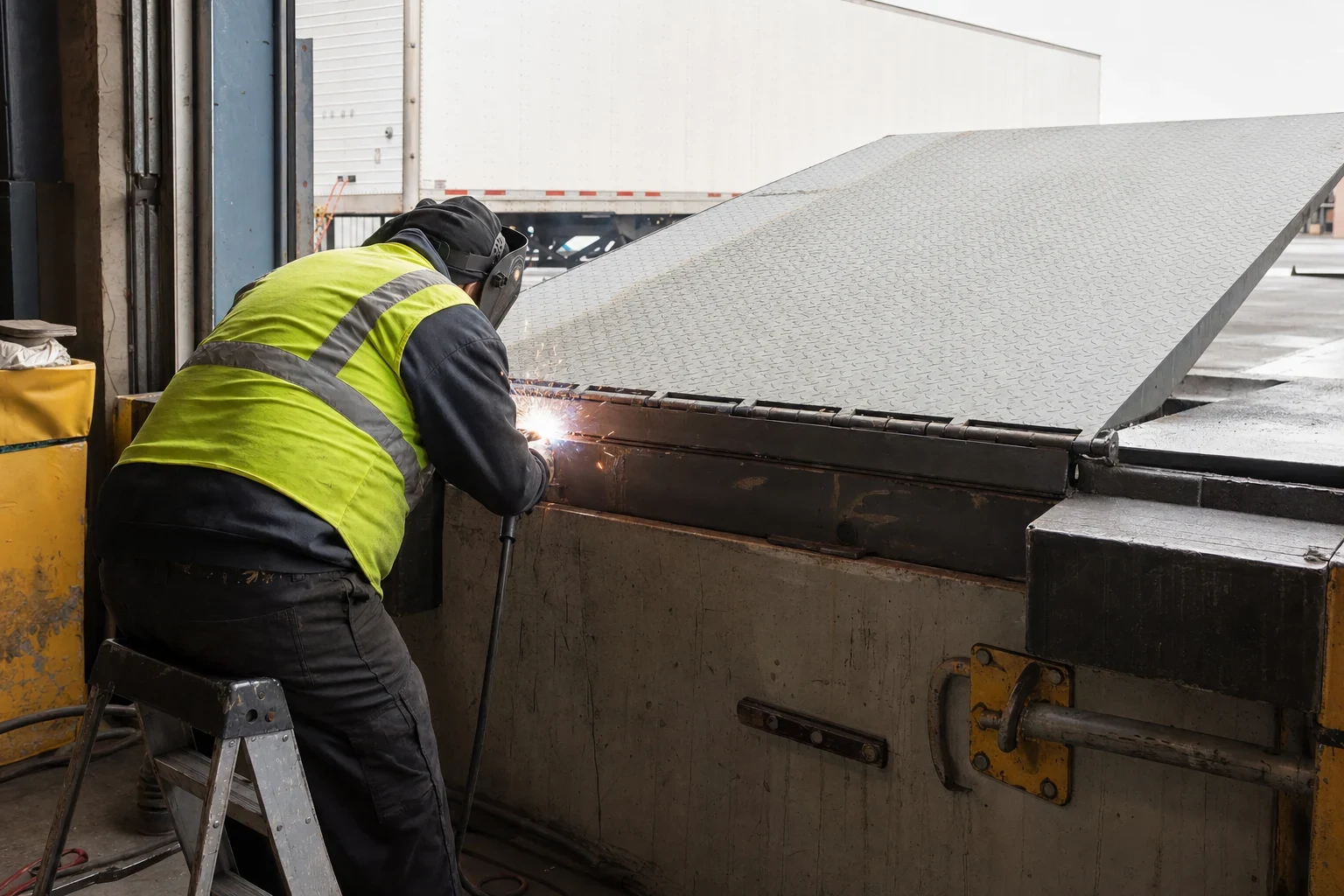
Loading Dock Repair in Mahanoy City Done to Code
We repair, install and maintain dock levelers, vehicle restraints, overhead doors, high speed doors and rolling grilles for warehouses, manufacturers and receiving docks. Our technicians explain what the code requires before work starts, and we serve facilities from Shenandoah and Frackville to Pottsville and Hazleton.
- Written line-item estimates
- Code requirements explained upfront
- Photos of what we find
- Scheduled around your shifts
Dock Equipment We Service and Install
Most dock problems start small: a leveler lip that hangs instead of extending, a restraint hook that no longer engages the ICC bar, a door spring that has lost tension. We handle dock levelers, vehicle restraints, overhead doors, high speed doors and rolling grilles, plus loading dock preventative maintenance programs. When a unit is past repair, our loading dock equipment sales and loading dock equipment installation services cover the replacement from selection through final adjustment.
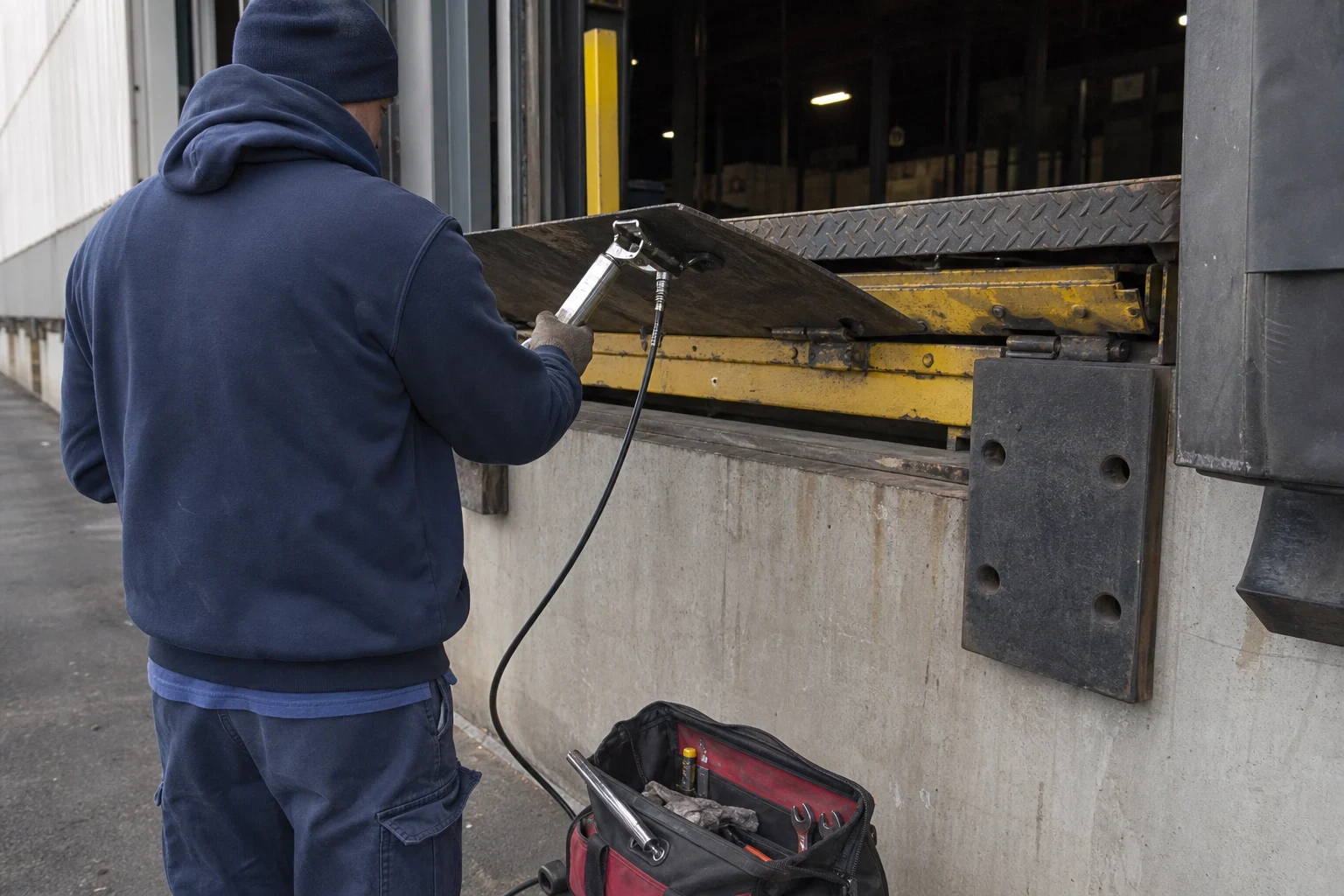
Preventative Maintenance
Scheduled inspection, lubrication and adjustment of dock levelers, doors and vehicle restraints, with written findings you can keep for safety audits.
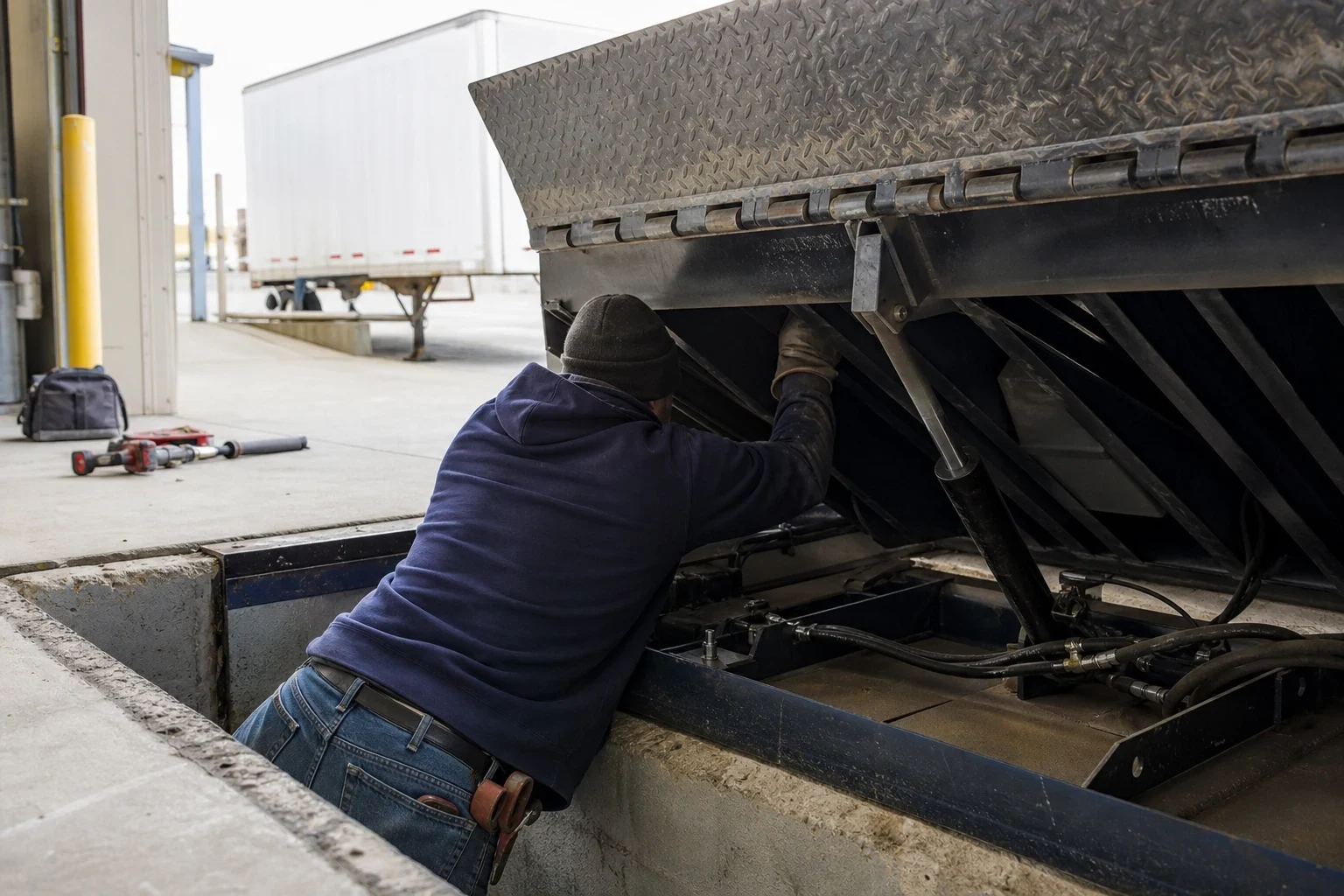
Equipment Installation
New dock levelers, vehicle restraints, seals and doors installed to the manufacturer's spec, with the pit, power and code paperwork sorted before the first truck backs in.
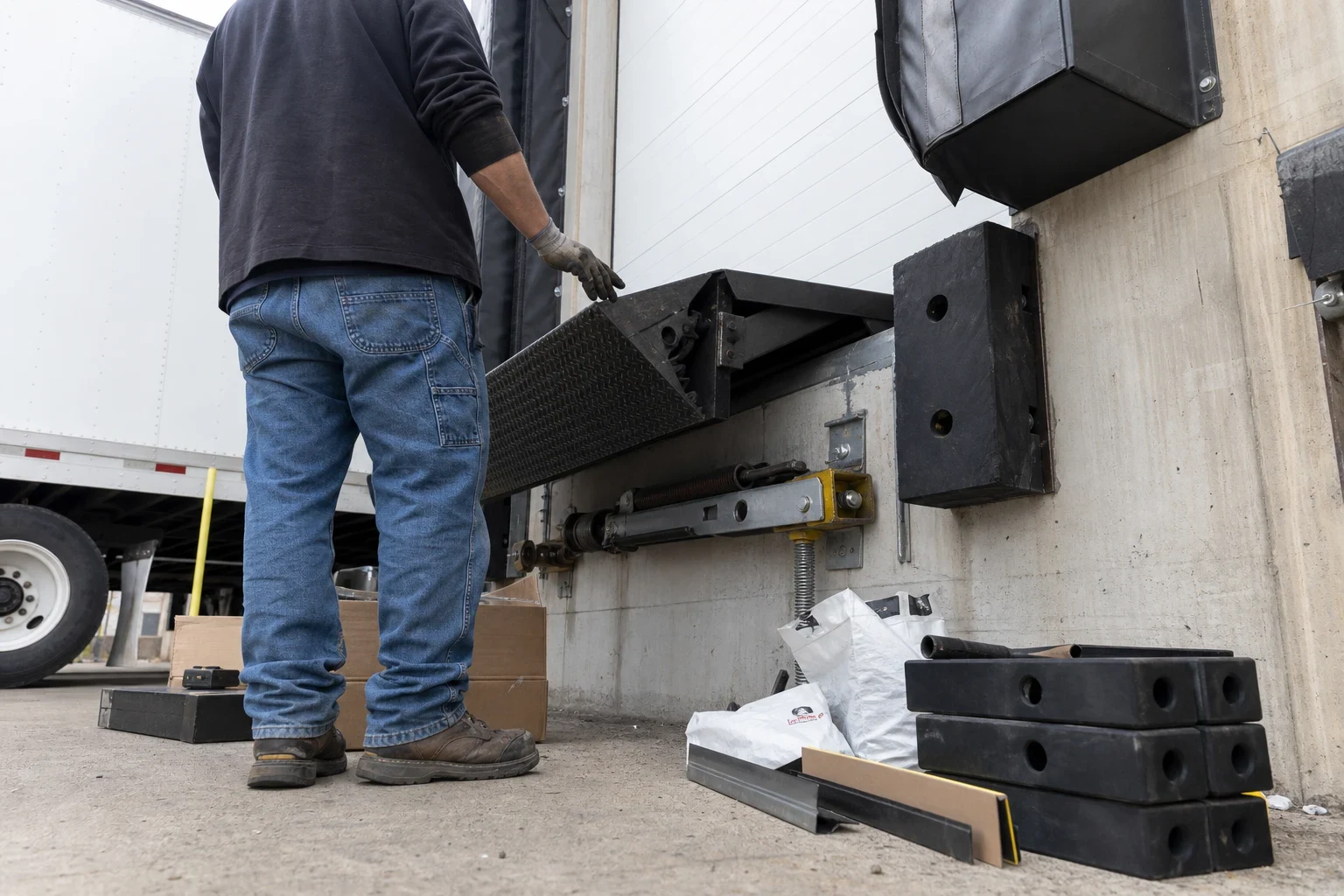
Equipment Sales
Dock levelers, vehicle restraints and doors selected from your trailer mix, pit dimensions and code requirements, with a written spec before you buy.
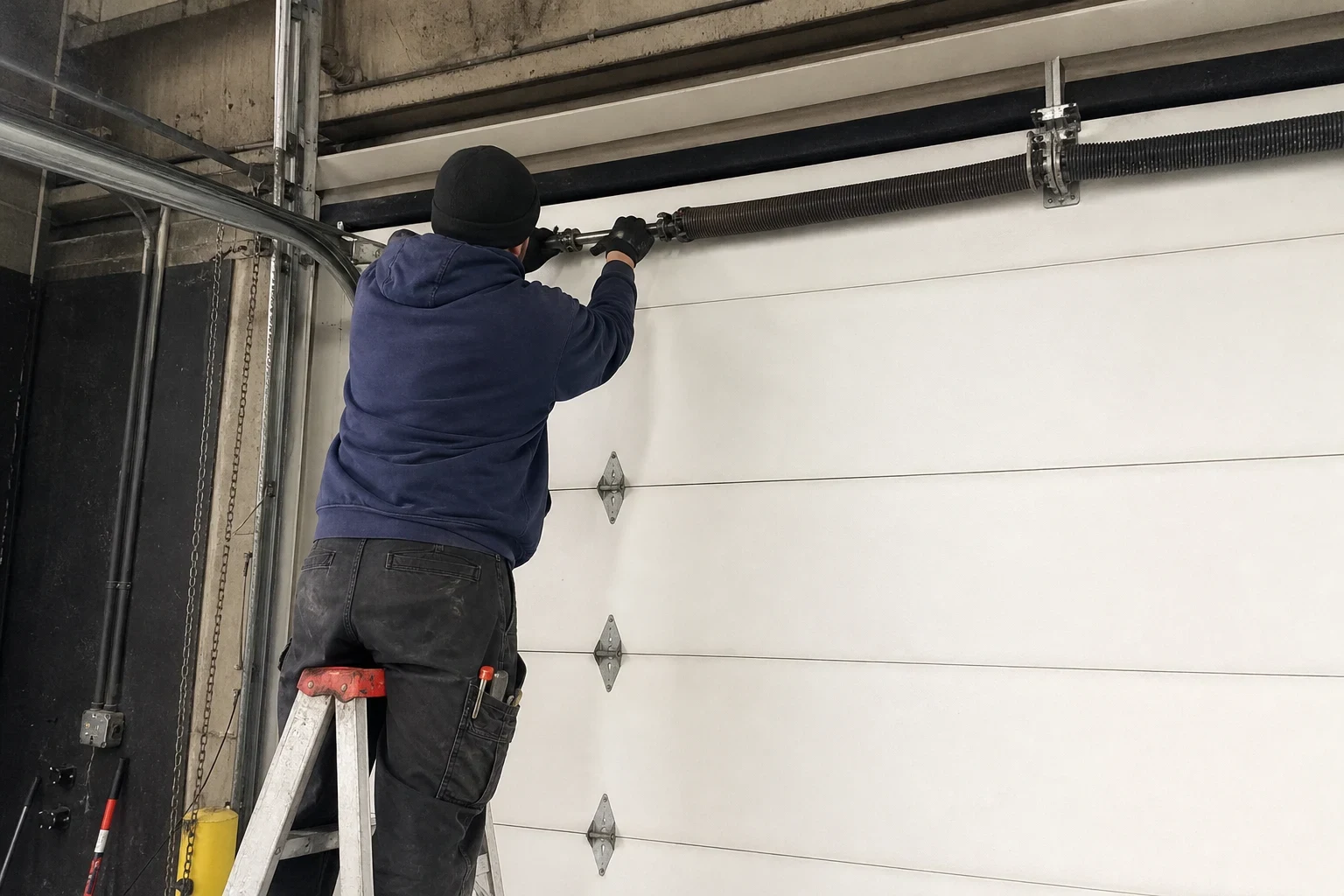
Overhead Doors
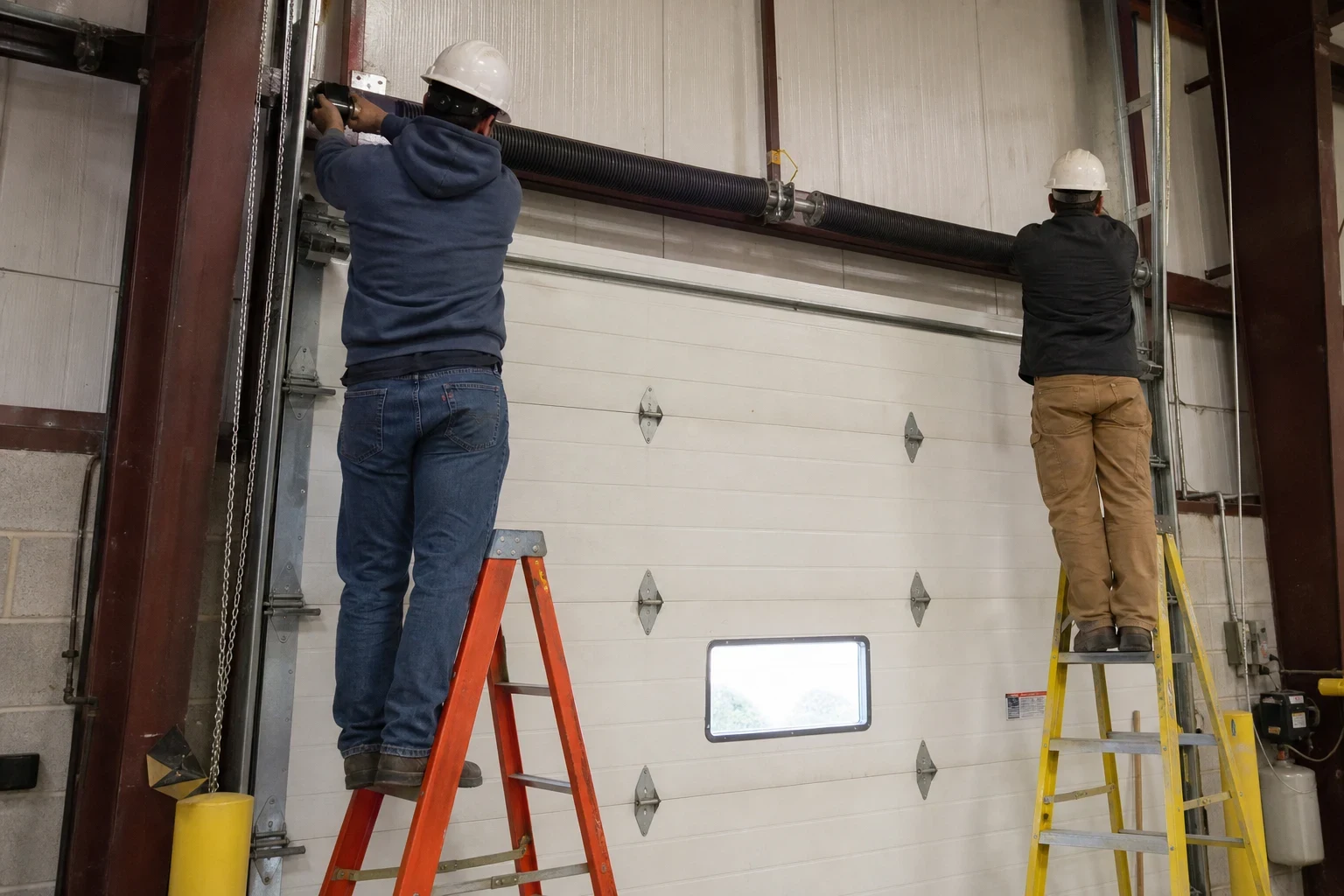
Repair and replacement of sectional overhead doors at loading docks, from broken torsion springs and bent track to operator safety sensors.
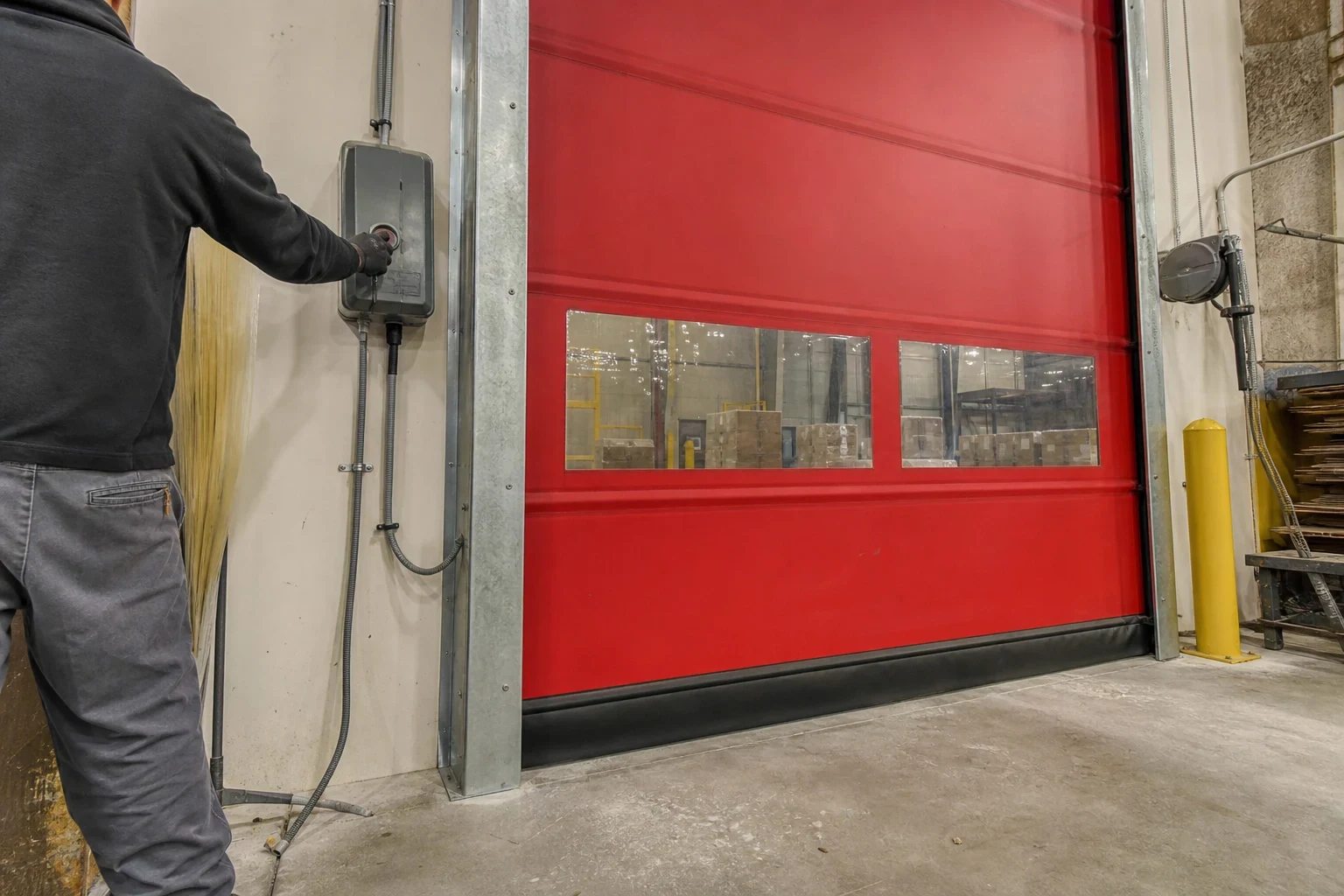
High Speed Doors
Fabric and rigid high speed doors for busy warehouse, cooler and dock openings, installed with working safety devices and code-compliant electrical work.
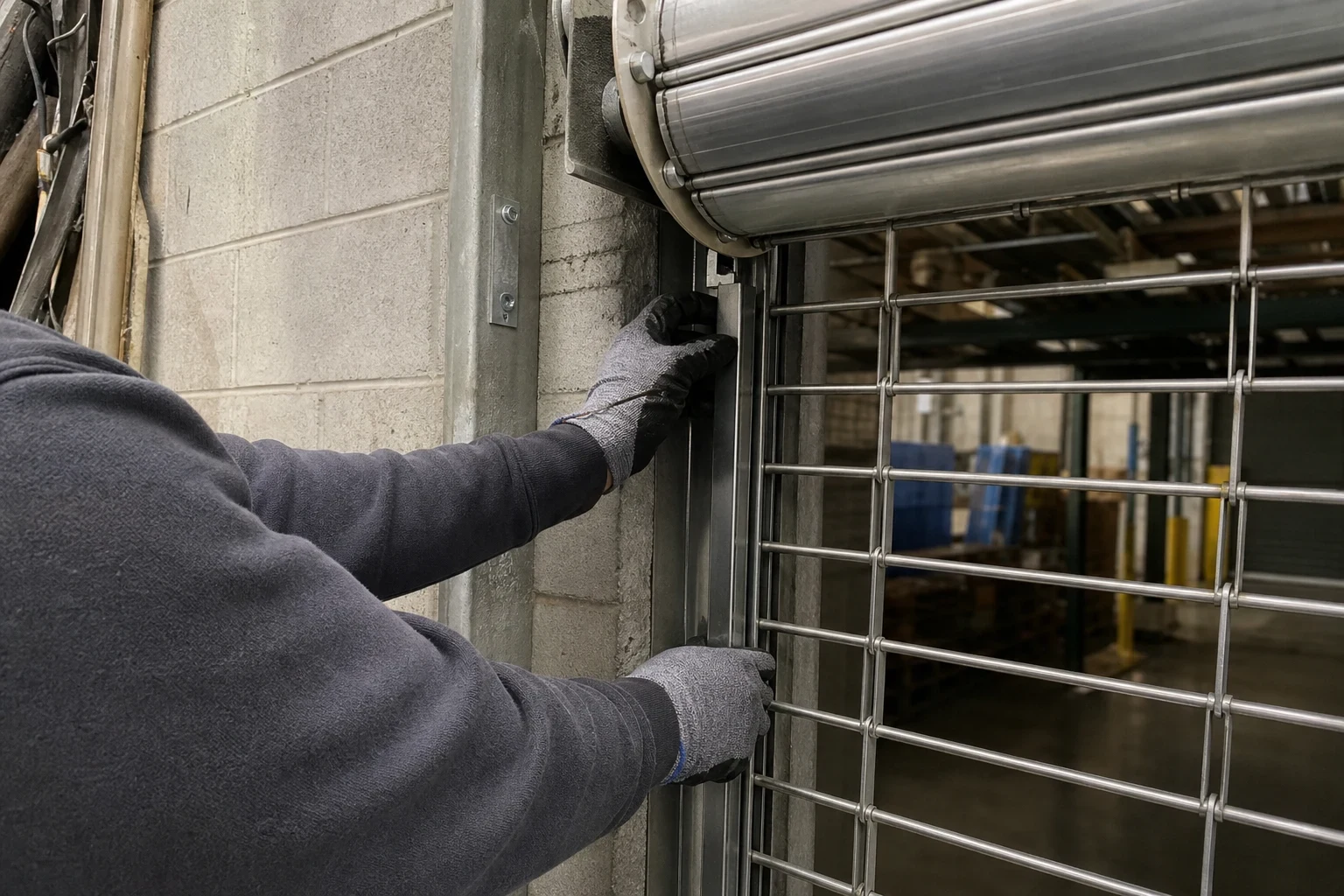
Rolling Grilles
Repair and installation of rolling grilles: curtains, springs, guides, locks and motor operators, set up to fit your exits and local code rules.
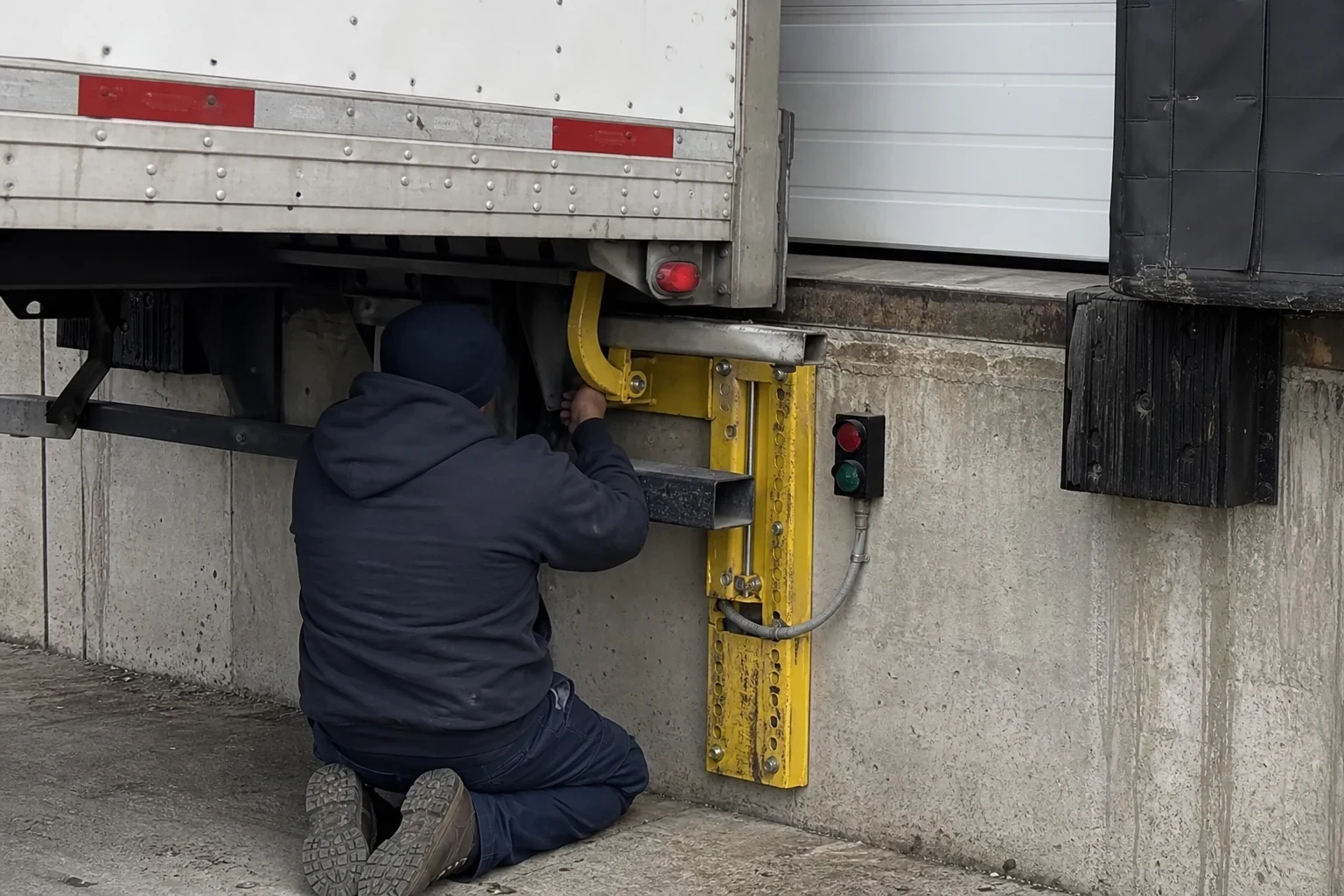
Vehicle Restraints
Hook-style and wheel-based vehicle restraints repaired, replaced or installed, wired to your dock leveler and lights so a trailer stays put while forklifts work.
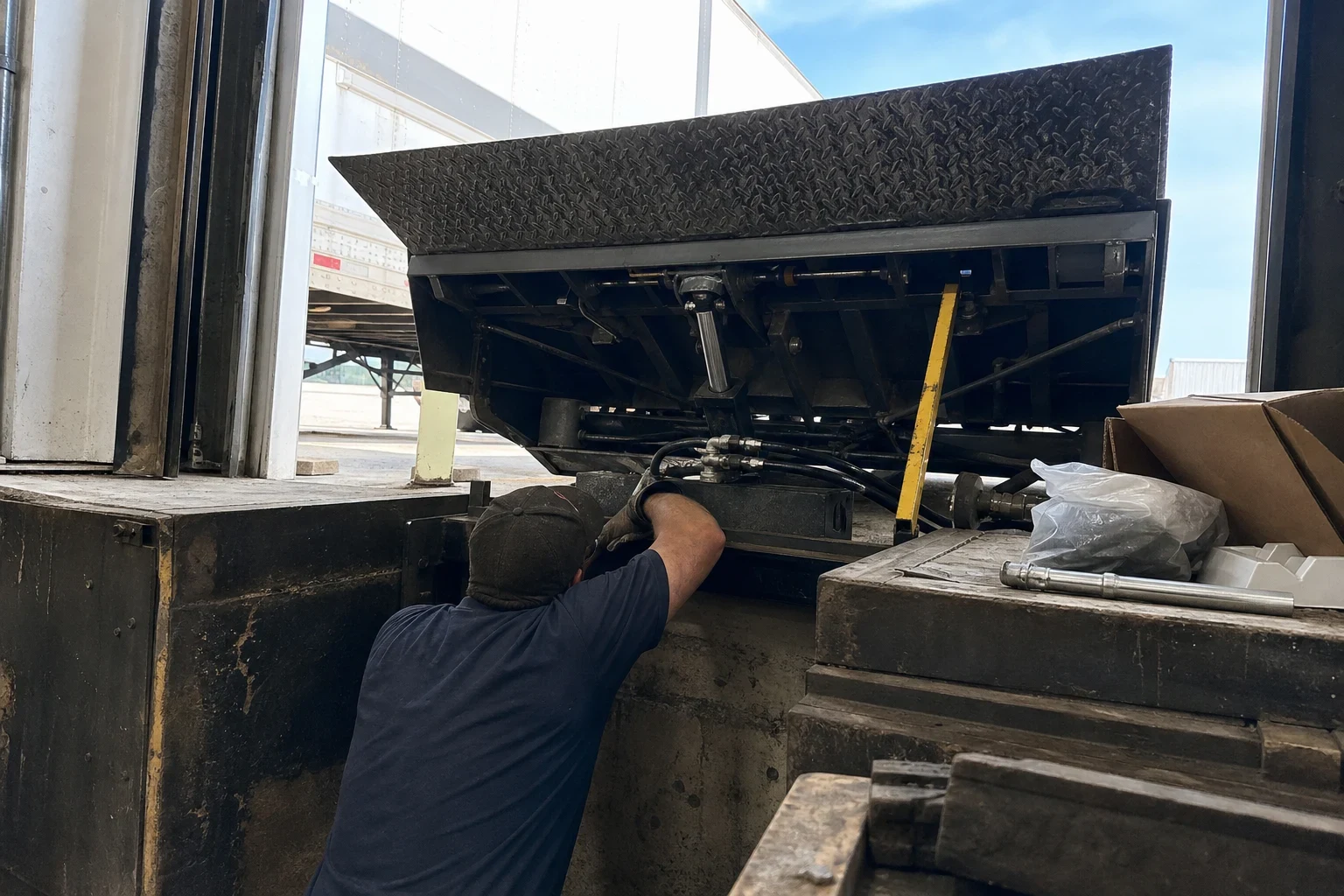
Dock Levelers
Repair, rebuild or replace mechanical, hydraulic and air-powered dock levelers, with free-fall protection and toe guards checked on every job.
What Facility Managers Get When They Call Us
A dock opening protects people as much as it moves freight. We treat it that way and hold every repair to the standard that governs it.
- The rules laid out before work begins
- ANSI MH30.1 sets how dock levelers are built and rated, and OSHA wants a trailer held in place before any forklift rolls across the plate. We explain which of these covers your equipment and the reason behind it, so a safety audit holds no surprises.
- Permits flagged, never ignored
- Powered levelers, pit changes and door installs can involve electrical or structural work covered by Pennsylvania's Uniform Construction Code. Our estimate notes whether your municipality will probably want a permit and inspection, and we set the timeline with that in mind.
- Manufacturer coverage on new equipment
- Equipment we supply comes with a 10-year manufacturer warranty. We register each unit, install it to the maker's specifications and hand over the paperwork, since coverage only counts when the install meets the terms.
- The real cause, not a quick patch
- When a leveler sinks on its own, the culprit is usually a leaking cylinder seal or a worn velocity fuse rather than the control box. We find the fault, photograph the worn part and tell you whether fixing or replacing it is the better choice.
- Scheduled around your trucks
- Before booking, we ask how your trailer traffic runs. When possible we take one door at a time so the rest of your dock stays in use.
How a Dock Repair Job Runs
Every job follows the same steps, from your first phone call to the final test cycle.
- 1
Talk it through by phone
You describe the symptom, the equipment brand if you know it and how many doors are affected. We ask about your shift and delivery times so the site visit does not land in the middle of a receiving rush.
- 2
On-site inspection
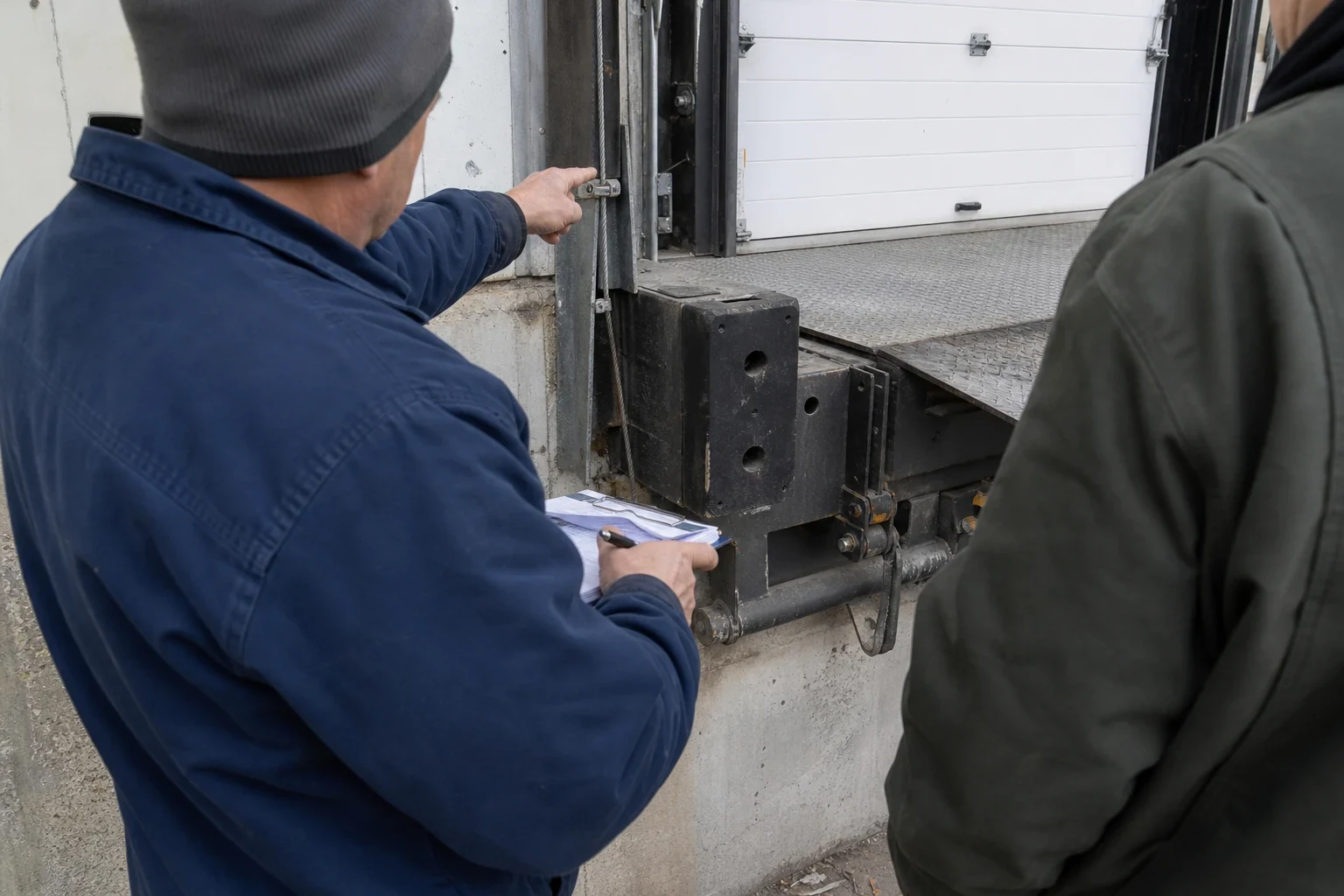
A technician checks the unit and what supports it: hydraulics or springs, lip and hinges, pit and curb, controls, safety legs, door tracks and restraint hook. We photograph worn or damaged parts so you can see what we see.
- 3
Written estimate with code notes
You get line items for parts and labor, plus a note on any standard or inspection that applies. If repair and replacement are both reasonable, we show you both.
- 4
Repair or install, then test
We lock out the equipment, barricade the work area and complete the repair. Before we hand it back, we run full cycles, confirm safety features like toe guards and maintenance struts work, and clean up the area.
What Moves the Price of Dock Repair
No two dock jobs price the same, because the cost follows the equipment, its condition and the code work around it. Here is what we look at before we give you a number.
We inspect the equipment, then give you a written line-item estimate that separates parts, labor and any inspection-related work. Nothing is added without talking to you first.
- Type of equipment
- A mechanical leveler with a spring assembly, a hydraulic leveler and an air-bag leveler each use different parts and labor. Vertical-storing levelers and high speed doors add controls and sensors to the job.
- Condition of the pit and frame
- Cracked curb angles, broken concrete at the pit edge and rusted rear hinges change a simple repair into structural work. Freeze-thaw cycles and road salt carried in on trailers speed up that damage over the winter.
- Parts availability
- Common wear parts like lip hinge pins, door rollers and hydraulic hoses are usually easy to source. Parts for older or discontinued models can take longer and may tip the decision toward replacement.
- Electrical and code scope
- Adding powered controls, interlocks between a restraint and a door, or a new motor operator may need an electrician and a permit. Inspection timing can affect the schedule as well as the cost.
- Access and timing
- Work that has to happen after shifts or on weekends to protect your receiving schedule takes more planning. Docks with tight approaches or limited lift access also take longer to stage.
Where Our Dock Technicians Work
Our base is Mahanoy City, PA, and we cover facilities in nearby communities such as Mahanoy, West Mahanoy, Shenandoah, Frackville and St. Clair. Warehouses and receiving docks in Pottsville, Rush, Tamaqua, Hazleton and Hazle are on our route too.
- Mahanoy City
- Mahanoy
- Shenandoah
- Frackville
- West Mahanoy
- Pottsville
- Rush
- St. Clair
- Hazleton
- Hazle
- Tamaqua
Located somewhere not listed here? Call us and we will let you know if a visit can be arranged.
A Dock Service Company That Explains the Rules
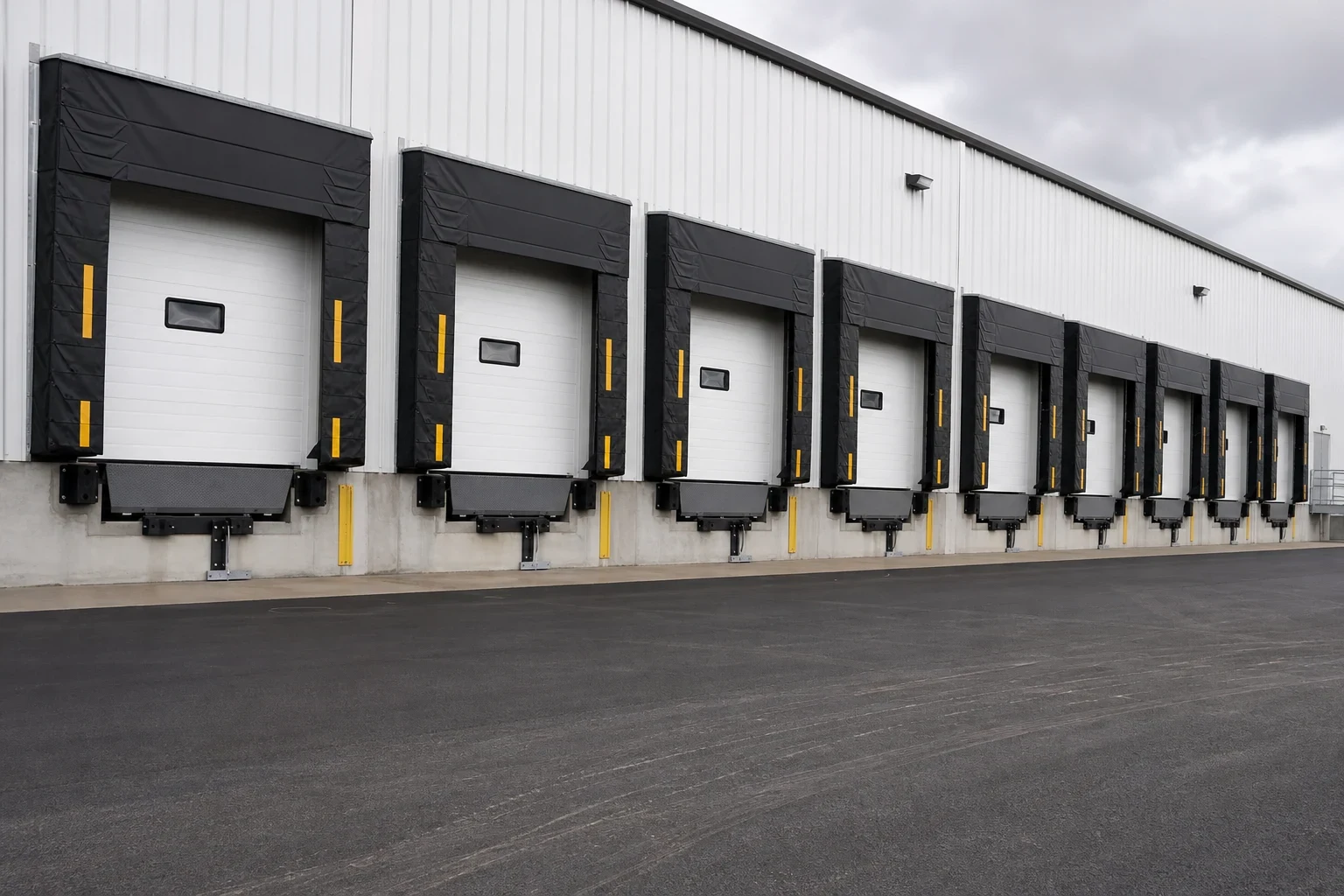
Loading Dock Repair Mahanoy City works on the equipment that keeps freight moving in and out of warehouses, distribution centers, manufacturing plants and store receiving areas. Our work covers the full dock opening, from the leveler in the pit and the restraint on the wall to the overhead door above it.
We focus on doing that work to code and explaining it in plain language. Many facility managers inherit docks that were patched for years with no record of what was changed. We help you sort out which equipment meets current standards, which needs attention and what bringing it up to code would involve, so your decisions rest on facts and not on a sales pitch.
- Warranty
- 10-year manufacturer warranty on equipment
Common Questions About Dock Work
Something not covered here? (570) 775-5759
Will replacing a dock leveler or overhead door require a permit?
That comes down to the scope of the job and where your building sits. Trading one mechanical leveler for a matching unit usually needs nothing filed, but new wiring, changes to the pit or cutting a new door opening can bring in the Pennsylvania Uniform Construction Code. We spell out what to expect when we estimate and build any inspection into the schedule.
Should an older dock leveler be repaired or replaced?
When the deck, lip and frame are still solid, fixing the springs, hydraulics or hinges tends to be the smarter spend. A cracked deck plate, a failing pit or parts that are no longer made usually make a new unit cheaper in the long run. We share photos and lay out both paths whenever each one is reasonable.
Which safety standards cover my loading dock?
ANSI MH30.1 governs how dock levelers are designed and rated, including capacity and safety features. OSHA calls for trailers to be held in place during loading, which is where vehicle restraints and wheel chocks come in. Our inspections compare your equipment to these points and walk you through any shortfalls.
How often does dock equipment need preventative maintenance?
A busy dock usually does well with two service visits a year, and high-volume distribution centers often call for four. Cold weather wears on hydraulic seals, weatherseals and door springs, so a visit in the fall catches a lot early. Our loading dock preventative maintenance program builds a schedule around how often your doors cycle.
Does a repair mean closing the entire dock?
In most cases, no. We take one position at a time where we can, lock out only the unit in front of us and work around your receiving times. Bigger installs are planned ahead so you know how long each door will be down.
Is your work covered by a warranty?
Yes. Repairs and installations we do carry a 1-year labor warranty. New equipment comes with its own manufacturer's warranty as well, and we go over that coverage when we quote the unit.
What is the first step to get a quote?
Give us a call and tell us what is happening, what equipment is involved and how many doors it affects. We set up an inspection and follow it with a written line-item estimate. It all begins with that single call, and we go through the estimate with you on site or over the phone.
Put Your Dock Back in Safe Service
Describe what your leveler, door or restraint is doing and we will book an inspection. You will get a written estimate and a clear answer about what code calls for.